


Oct 17,2026●By: GeoMaster HDD Drill Rods &Pipes
As global infrastructure demands surge and environmental regulations tighten, Horizontal Directional Drilling (HDD) technology has emerged as an indispensable solution for underground pipeline installation. Trenchless technology allows utilities, telecommunications, and energy pipelines to be installed beneath rivers, highways, and urban landscapes with minimal surface disruption. In 2026, the HDD industry is undergoing a profound transformation, driven by electrification, automation, and sustainability imperatives. We conducted meticulous research and investigation to provide a comprehensive overview of the latest market trends, cutting-edge new products, and the promising application prospects for HDD rigs in the years ahead.
The global HDD market is on a robust growth trajectory. According to Fortune Business Insights, the global horizontal directional drilling market was valued at USD 9.24 billion in 2025 and is projected to grow from USD 10.33 billion in 2026 to USD 25.11 billion by 2034, exhibiting a compound annual growth rate (CAGR) of 11.75% during the forecast period.
Asia-Pacific represents the largest regional market, accounting for approximately 39% of global share, followed by North America at 31% and Europe at 20%.
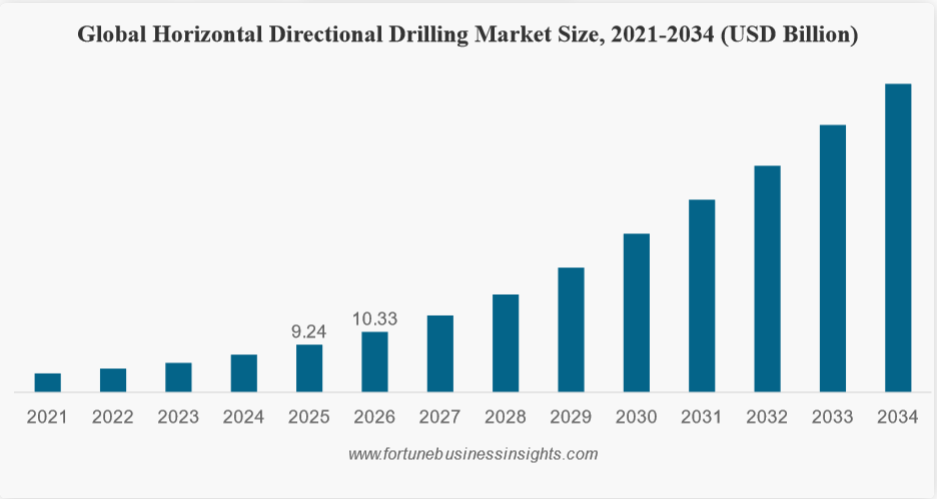
Several macroeconomic factors are fueling this expansion. Massive investments in energy infrastructure development, rapid urbanization, and the global rollout of 5G and fiber-optic networks are driving sustained demand for trenchless installation methods. The market is also benefiting from stricter environmental regulations that favor trenchless construction over traditional open-cut excavation.
At the same time, the industry is navigating significant structural shifts. The sector is experiencing a pronounced trend toward automation, with companies accelerating the adoption of automated solutions to enhance operational precision and safety. Meanwhile, the move toward hybrid and fully electric HDD rigs has become a defining feature of 2026, as contractors seek to reduce fuel consumption, lower emissions, and comply with urban air-quality targets.
2. New Product Highlights
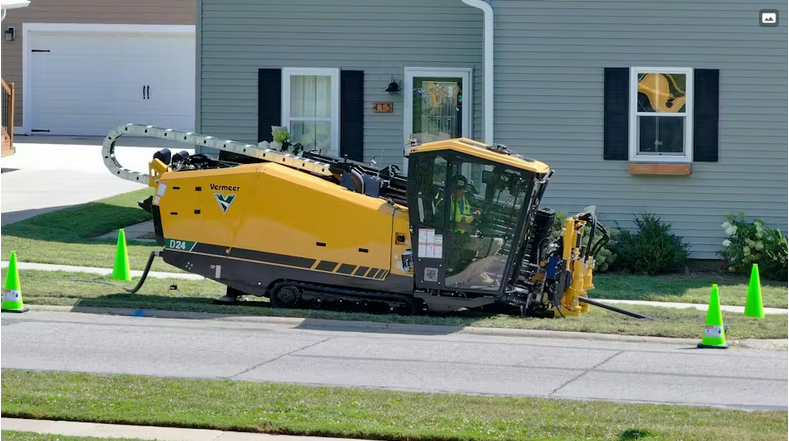
In a significant advancement for operator comfort in the 24,000-pound class, Vermeer introduced a factory cab option for its D24 horizontal directional drill in April 2026—the first drill in its class to offer a factory-installed cab.
This upgrade directly addresses a persistent industry challenge: operator retention in harsh field conditions. The fully sealed and climate-controlled cab reduces sound at the operator‘s ear from 88 dB(A) to 72.6 dB(A), dramatically cutting fatigue over full shifts.Beyond the cab, the D24 incorporates Vermeer’s Automated Rod Exchange (ARE) system, which handles rod changes with a single command, further streamlining the drilling process and boosting productivity.
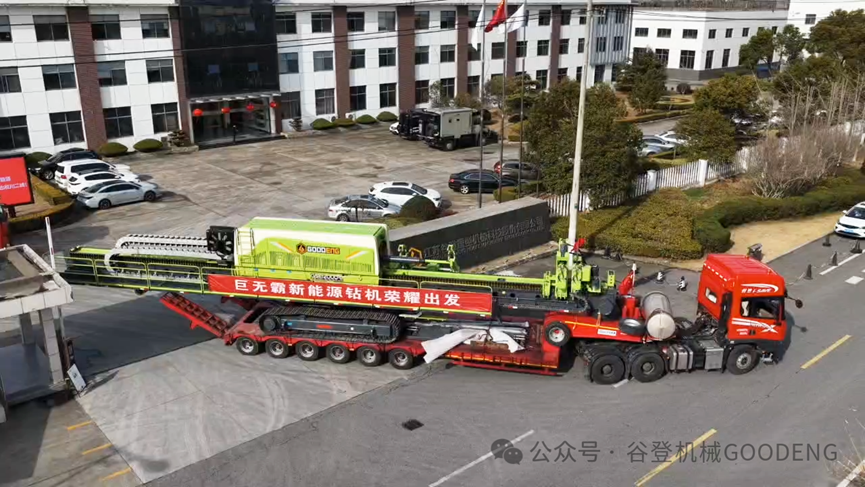
China‘s Goodeng Machinery has made waves with its GSE12000-L extra-large horizontal directional drilling rig, a flagship new energy product designed for major national pipeline projects such as the Sichuan-East Gas Pipeline II project. This model adopts a high-performance pure electric power system, substantially reducing fuel consumption and construction noise compared to traditional diesel-powered rigs.
With a rated pullback force of 12,000 kN, the GSE12000-L easily handles long-distance, large-diameter pipeline crossings under complex geological conditions.
The GSE12000-L exemplifies the broader industry pivot toward green, intelligent construction equipment.
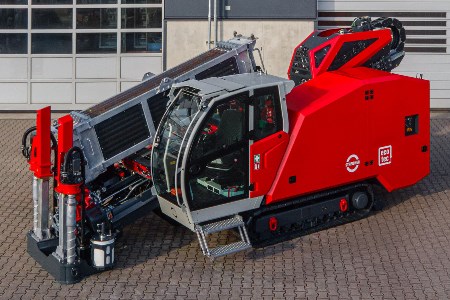
German manufacturer Streicher has set new benchmarks with the HDD20-E, presenting what it claims to be the world’s first fully electric horizontal drilling rig in its performance class. The HDD20-E features a compact design, a pullback load of 20 tonnes, and a fully electric direct drive system.
The boost function can temporarily increase pullback to 25 tonnes while maintaining superior energy efficiency. For inner-city operations, emission-free operation via the public power grid is even possible. Thanks to its fully electric design, the HDD20-E delivers lower CO₂ and noise emissions, less wear and tear, and minimized maintenance intervals—a compelling value proposition for environmentally conscious contractors.
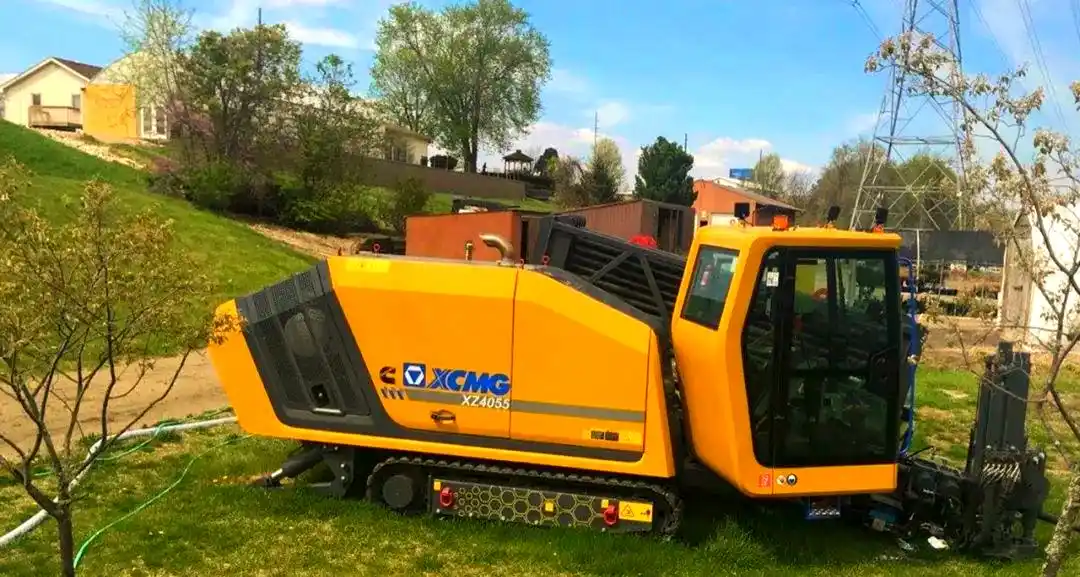
XCMG‘s XZ4055 horizontal directional drill, powered by a lithium-ion battery, recently earned recognition with a Red Dot Design Award in March 2026. The rig produces zero emissions and operates at remarkably low noise levels, with a design concept developed according to user requirements that lends the XZ4055 sophisticated ergonomics, high user-friendliness, and superior efficiency.
This award underscores the industry’s increasing emphasis on both environmental performance and operator-centric design.
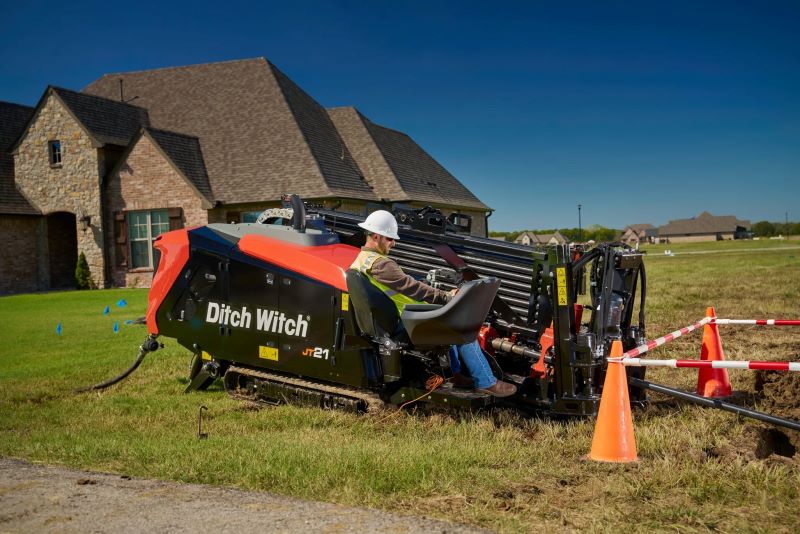
Ditch Witch has introduced the JT21, the latest evolution in its HDD lineup. The JT21 offers best-in-class carriage speed and enhanced downhole horsepower, engineered to deliver superior performance across trenchless and utility installation projects. The JT21 is positioned as a powerful, efficient solution for contractors handling a wide range of underground utility installations.
On the tooling side, Halliburton has introduced the HyperSteer MX directional drill bit, the industry‘s first shankless, matrix-body directional bit. This innovative design enhances durability while delivering superior directional control, representing a significant advancement in downhole drilling technology.
3. Key Technological Trends Shaping the Industry
Electrification stands as the most transformative trend in the HDD sector. Manufacturers are rapidly transitioning from traditional diesel-powered rigs to hybrid and fully electric systems. Electric HDD rigs offer multiple advantages: lower CO₂ and noise emissions, reduced wear and tear, minimized maintenance intervals, and substantial contributions to resource conservation.
The added benefit of quieter operation is particularly valuable in residential and noise-sensitive urban environments.Goodeng Machinery‘s GSE6000-L large-scale new energy HDD rig has demonstrated the tangible benefits of electrification, continuously traversing over 1,200 meters with 1,020mm double pipes while saving more than 80% in energy costs compared to traditional diesel equipment. Similarly, the GSE10000-L completed a pipeline laying project consuming just 9,286 kWh of electricity over 20 days—a fraction of what diesel equipment would have required.
Beyond power sources, new HDD models are incorporating recyclable materials, cleaner engines, and reduced fluid consumption, alongside lifecycle support programmes that help contractors minimize waste and extend machine life.
Automation and robotics are revolutionizing HDD operations. Modern rigs now feature advanced steering sensors, automated alignment systems, and real-time bore path monitoring, helping operators achieve greater accuracy with less manual input.
These innovations improve consistency, reduce operator fatigue, and enhance productivity across longer or more intricate bores.
The integration of artificial intelligence (AI) is taking this a step further. AI algorithms can analyze geological data in real time to optimize the drilling process, predict potential obstacles, and adjust the drilling path accordingly—reducing the likelihood of equipment damage and project delays.
In the future, with the continued development of machine intelligence, HDD technology is expected to become even more intelligent and automated, potentially achieving fully unmanned operation.
Advanced sensor technology also plays a crucial role. Sensors installed on various parts of the HDD rig monitor essential parameters such as torque, thrust, rotation speed, and soil conditions, enabling predictive maintenance and informed operational decisions.
The rise of telematics and connected fleet management is changing how contractors plan and monitor operations. Data-driven insights into rig performance, tooling wear, service requirements, and jobsite conditions allow companies to reduce downtime and optimize resource allocation across multiple projects.
Ditch Witch has emphasized that directional drilling in North America is entering a new era, defined not just by production speed or equipment capability, but by accuracy, accountability, and trust. Modern telematics systems help directional drilling contractors turn machine activity into usable jobsite data, creating cost and time savings.
Equipment design continues to evolve, with faster setup and modular tooling now standard features on many new rigs. Simplified assembly and interchangeable tool systems enable crews to switch tasks more efficiently—a major advantage on smaller jobs or those requiring rapid turnaround.
The latest rigs are also delivering more power, torque, and cooling capacity to handle increasingly complex drilling environments, from deep rock formations to long-distance urban installations, without compromising stability or precision.
4. Future Application Prospects
The global rollout of 5G networks and fiber optic infrastructure presents one of the most significant growth opportunities for HDD technology. 5G networks require significantly denser cell site deployments than 4G, with each site needing high-capacity backhaul connectivity.
The global 5G network infrastructure market is expected to grow from USD 18.19 billion in 2026 to USD 122.37 billion by 2034 at a CAGR of 26.9%.
HDD provides the ideal solution for installing the extensive underground fiber networks required to support this expansion, particularly in urban areas where open-cut trenching is impractical or prohibitively disruptive.
As the world transitions toward cleaner energy sources, HDD technology is increasingly deployed in renewable energy projects. Trenchless methods are essential for installing power lines from solar farms and wind installations without disturbing sensitive landscapes.
HDD is also used for subsea pipeline landfalls and coastal crossings in offshore energy projects.
Smart city initiatives worldwide are driving demand for underground utility installations that minimize surface disruption. HDD is commonly used for fiber optic and telecommunications lines, water and sewer pipelines, gas and oil pipelines, and utility installations beneath rivers and highways.
The technology‘s ability to install or replace underground utilities while preserving roadways, landscapes, and existing infrastructure makes it an essential tool for modern urban development.Some municipalities are even developing in-house HDD programmes to save time, reduce costs, and maintain tighter control over utility construction—particularly valuable as surface congestion increases.
HDD technology is playing an expanding role in environmental governance. Horizontal directional drilling rigs can avoid sensitive areas and easily polluted formations by adjusting drilling platform positions and angles, reducing the environmental impact of drilling activities.
Looking ahead, HDD rigs are expected to contribute significantly to groundwater pollution control, detection of underground pollution sources, landfill remediation, and air pollution monitoring.
The technology‘s ability to achieve precise well location control reduces the risk of wellhead leakage and groundwater pollution. HDD rigs can also drill multiple wells in parallel, improving wellhead utilization while reducing land occupation—achieving more effective resource utilization.
Traditional oil and gas applications remain a cornerstone of HDD demand. Directional and horizontal drilling, initially developed for unconventional shale reservoirs, continue to be essential for pipeline installation and well construction.
The industry‘s ongoing transition toward more sustainable practices is further driving adoption of cleaner, more efficient HDD equipment.
5. Conclusion and Prosepect
The horizontal directional drilling industry stands at an inflection point in 2026. Market growth is robust, fueled by global infrastructure investments, 5G network expansion, and the energy transition. Manufacturers are responding with innovative new products—from fully electric rigs like Streicher’s HDD20-E and Goodeng‘s GSE12000-L to operator-focused designs like Vermeer’s D24 cab option and XCMG‘s award-winning XZ4055. Electrification, automation, and connectivity are reshaping how HDD operations are planned, executed, and optimized.
Looking forward, the application prospects for HDD technology are exceptionally broad. Beyond its established role in oil and gas and utility installation, HDD is poised to play an increasingly critical role in 5G infrastructure deployment, renewable energy projects, smart city development, and environmental remediation. As the technology continues to evolve toward greater intelligence, sustainability, and operational efficiency, HDD rigs will remain indispensable tools for building the underground infrastructure of tomorrow—quietly, cleanly, and with minimal surface disruption.
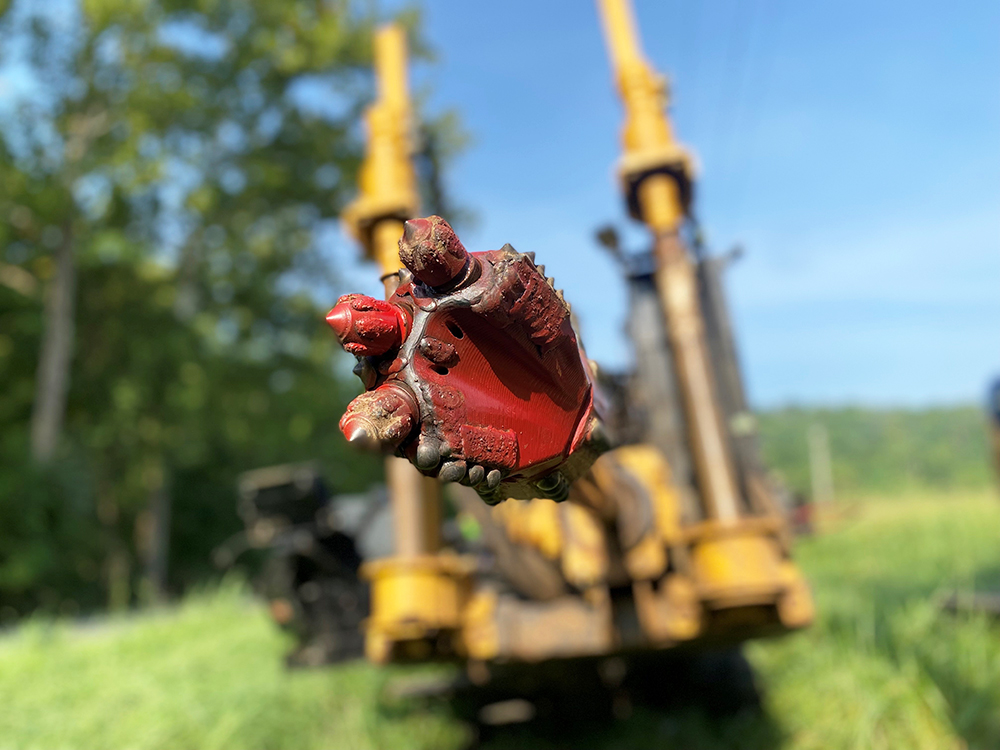
The Eagle Claw is a tri-cutter hard ground drill bit manufactured by Melfred Borzall, designed specifically for Horizontal Directional Drilling (HDD).First intr...
Aug 04,2026/Industry news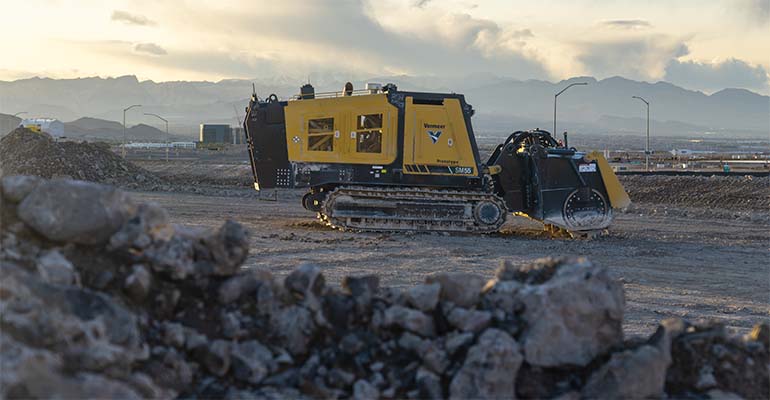
For horizontal directional drilling (HDD) contractors, drill rods are a major capital expense. Premature failure caused by improper use or neglect leads to freq...
Jun 03,2026/Company News
Only an excellent team can build an excellent product. Few stories illustrate this truth more vividly than the San Antonio Spurs’ development of Victor Wembanya...
May 20,2026/Company News
Global High-quality Drill Pipe Solution Service Provider
+86-195-8045-6679
Jiaye Financial Center, Taihu Street, Economic Development Zone, Wuxi City, China

 English
 Russian
 French
 Spanish
 Portuguese
 German