


Sep 26,2026●By: GeoMaster HDD Drill Rods &Pipes
Horizontal Directional Drilling (HDD) is a trenchless technology that relies on a string of drill rods to transmit torque, thrust, and drilling fluid from the rig to the cutting tool underground. Choosing the correct drill rod is vital — it directly affects borehole accuracy, job efficiency, and tooling lifespan. Below we break down the main types of HDD drill rods, where they are used, and what a user should consider when selecting them.We hope this article can provide you with possible assistance in selecting HDD drill rods.
Common Types of HDD Drill Rods and Their Applications
Standard Drill Rods
Standard rods are the workhorse of most HDD jobs. They are used for pilot boring, reaming, and pullback in a wide range of soil conditions — from soft clay to mixed ground containing gravel. These rods typically feature API threaded connections (e.g., 2 3/8″ IF, 2 7/8″ IF, 3 1/2″ IF) or proprietary double-shoulder connections for higher torque capacity. For small-diameter installations like fibre optic or utility conduits, integral forged (one-piece) rods are popular on compact rigs because they eliminate welded joints and offer high fatigue resistance in tight-radius bores.
Heavy-Weight Drill Rods
Heavy-weight rods have a thicker wall and higher weight per unit length than standard rods. They are placed immediately behind the downhole tool or in the lower section of the drill string. Their primary role is to counteract buckling and provide a steady weight-on-bit, which becomes critical when drilling in hard rock, dense sand, or when performing longer bores where ordinary rods might flex too much. They also serve as a transition zone between stiff downhole tools and the more flexible standard string, reducing stress concentration.
Non-Magnetic Drill Rods
Non-magnetic rods are manufactured from austenitic stainless steels or special alloys (such as Monel) that do not interfere with magnetic guidance systems. One or two non-magnetic rods are placed directly behind the steering tool housing. Without them, the magnetic field generated by standard steel rods would distort the azimuth and inclination readings from the probe, making accurate tracking impossible. They are essential for all guided pilot bores that use magnetic steering tools.
High-Torque / Double-Shoulder Drill Rods
While not a completely separate category from standard rods, double-shoulder connection rods deserve special mention. These engineered connections provide a secondary torque shoulder inside the joint, dramatically increasing connection strength and fatigue life. They are the preferred choice for demanding rock drilling, large-diameter reaming passes, and very long crossings where torque and cyclic bending loads are extremely high. Examples include industry-proven designs used with maxi-rigs on river crossings and pipeline installations.
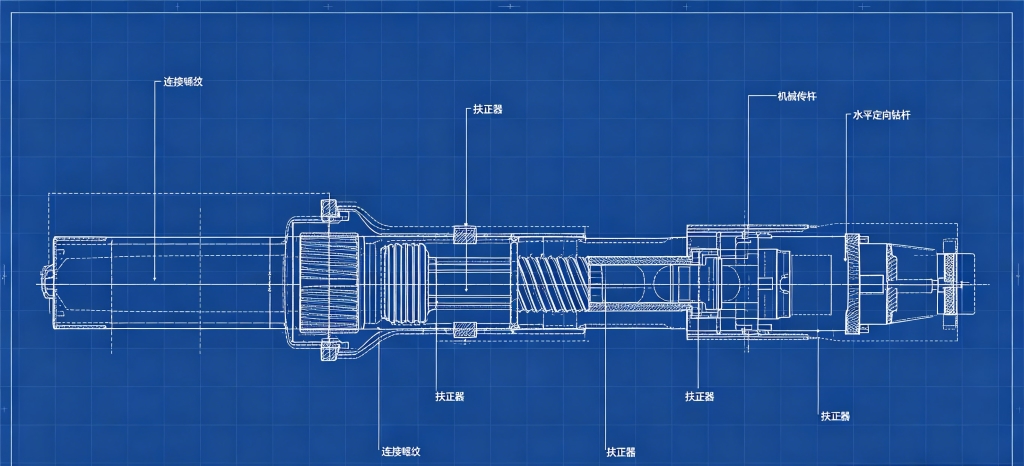
How to Choose the Right Drill Rod
Selecting the right rod starts with a thorough understanding of the job, the rig, and the ground. Here are the key steps:
Match rod specifications to your rig’s capacity.
Check the maximum spindle torque, thrust, and pullback of your HDD rig. The drill rod must have a torque rating that exceeds the rig’s maximum output, and its tensile and yield strength must safely handle the estimated pullback force. Pipe body grade (e.g., G105, S135) and wall thickness determine these limits.
Evaluate ground conditions.
For soft, consistent soils, standard API rods are usually sufficient. In abrasive ground, rock, or formations where high vibration and impact occur, consider heavy-weight rods and double-shoulder high-torque rods. If there is a risk of drill string buckling, heavy-weight rods should be inserted near the tool joint.
Consider bore geometry and steering requirements.
Tighter bending radii demand rods with high fatigue resistance and toughness. Integral forged rods with refined heat treatment often perform well in these situations. For any guided bore using a magnetic steering tool, adequate lengths of non-magnetic rod must be included in the bottom-hole assembly.
Check connection compatibility and tooling.
Confirm the thread form and size match your existing subs, reamers, swivels, and breakout equipment. Proprietary connections can improve job performance but may require adaptors or dedicated handling tools. Standardisation across your fleet simplifies logistics and lowers cost.
Weigh cost against durability.
A cheaper rod with a shorter fatigue life can end up costing more if it fails mid-bore or needs frequent replacement. For large, high-risk projects, investing in premium double-shoulder rods with proven track records often pays off through reduced downtime and fewer downhole failures.
Plan for the full drill string arrangement.
Think of the drill string as a system: a non-magnetic rod for guidance, a few heavy-weight rods for weight-on-bit and buckling control, and then quality standard rods for the rest of the string. The correct mix maximises steering accuracy, tool life, and overall productivity.
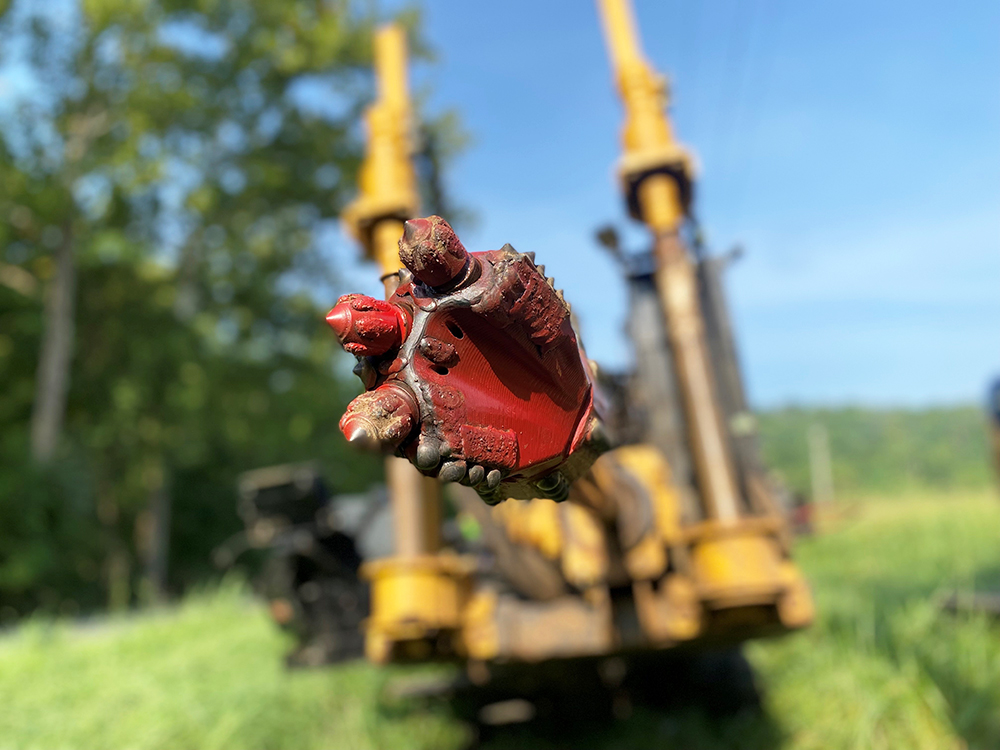
The Eagle Claw is a tri-cutter hard ground drill bit manufactured by Melfred Borzall, designed specifically for Horizontal Directional Drilling (HDD).First intr...
Aug 04,2026/Industry news
For horizontal directional drilling (HDD) contractors, drill rods are a major capital expense. Premature failure caused by improper use or neglect leads to freq...
Jun 03,2026/Company News
Only an excellent team can build an excellent product. Few stories illustrate this truth more vividly than the San Antonio Spurs’ development of Victor Wembanya...
May 20,2026/Company News
Global High-quality Drill Pipe Solution Service Provider
+86-195-8045-6679
Jiaye Financial Center, Taihu Street, Economic Development Zone, Wuxi City, China

 English
 Russian
 French
 Spanish
 Portuguese
 German